

- Arthritis
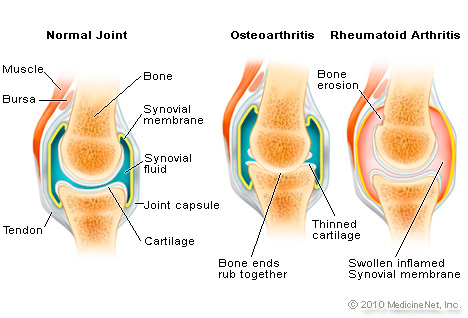
Arthritis is the swelling of one or more of human joints. The main symptoms of arthritis are joint pain and stiffness, which typically worsen with age. Arthritis comes in two common types, which are osteoarthritis and rheumatoid arthritis.
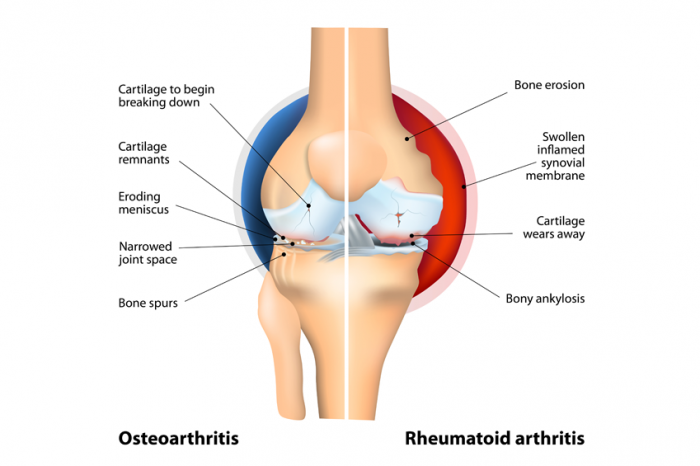
Source: Medical News Today
Arthritis can be caused by injury, abnormal metabolism, and inheritance.
This disorder is more common in adults from 65 years or older, but it can affect people of all ages, including children since genetics can also develop this autoimmune disorder( the genes are associated with the immune system in osteoarthritis).
Arthritis can affect multiple organs and cause widespread symptoms, including low back pain, bursitis, tendinitis or paint in the joints.
Treatments of arthritis are to control pain, minimize joint damage, and improve or maintain quality of life. It can be done by medications, physical therapies, and patient education and support. Moreover, people should also have a healthy eating plan.

Source: How to eat healthy research on Google
- 2. Diabetes
Diabetes weakens the body’s ability to process blood glucose, it is also known as blood sugar.

Diabetes can occur in different types, and managing the condition depends on each type. Moreover, diabetes not only appears in an overweight person but also it presents since human childhood.
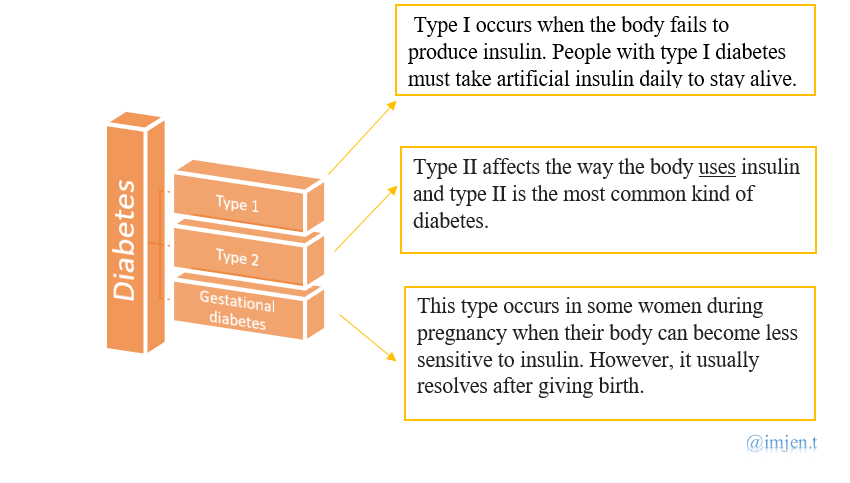
Type II diabetes can be hereditary.
People who have diabetes may feel hungry more often and fatigue. The disorder also causes blurred vision, tingling in the feet or hands and urination. More importantly, diabetes patients can also experience weight loss.
To reduce diabetes, patients should change lifestyle habit, do more exercise and adjust nutrition in their meals.
- 3. Sickle Cell Anemia
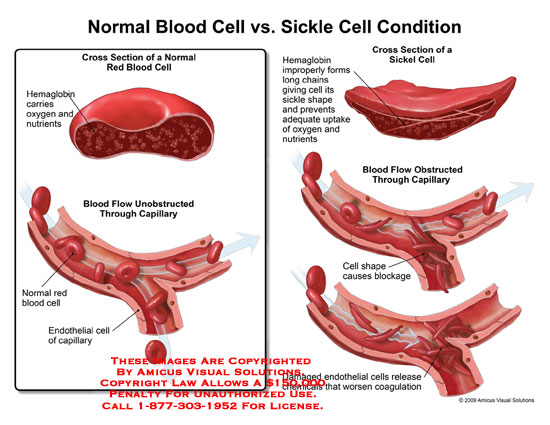
Sickle cell anemia is a group of disorders in which affects the red blood cells in the human body.
How sickle cell disease happens? https://www.youtube.com/watch?v=tz–EMZuGCE ( The sickle disease is caused by a mutation in the hemoglobin-B found on chromosome 11)
Sickle cell anemia is genetic, meaning that it is inherited through the bloodline of people who have it. People who have the sickle disease may pass their gene to their children, who are then at risk for contracting the disease if their partner has the gene also.

Source: babycentre.co.uk
Sickle cell anemia causes fever, stomach pain, pneumococcal bacterial infections, painful swellings of the hands and feet in infants. Adolescents and young adults more commonly develop leg ulcers and eye damage. Symptoms in adults are pains in bone, muscle, or internal organs.
Medications are included in treatments of this disorder to reduce pain and prevent complications. Since sickle cell is a life-long disorder, educating people also helps and it is extremely important to have a optimistic mind.
- 4. Cystic Fibrosis
Cystic fibrosis is a genetic disease that affects the lungs and digestive system. People who have cystic fibrosis have thick and sticky mucus in their body which can clog the lungs and obstruct the pancreas.

Source: Genetic Home Reference-NIH
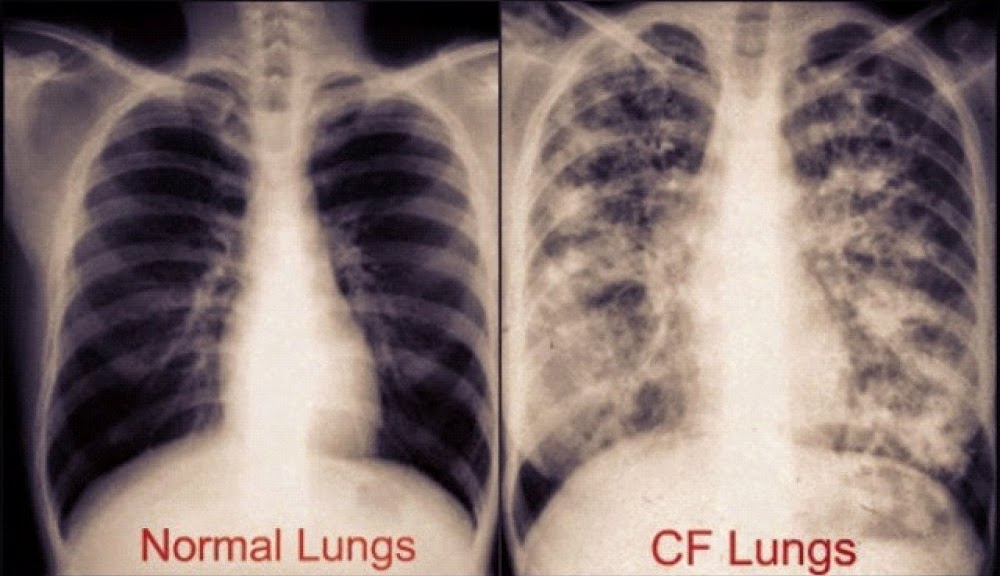
Source: mindsofmalady.com
In people with Cystic Fibrosis, there are two copies of the Cystic Fibrosis Transmembrane Conductance Regulator (CFTR) gene that contains mutation but they got one copy from each parent. Whereas, people who have one copy of the CFTR gene that contains mutation and one normal copy are considered as Cystic Fibrosis carriers.
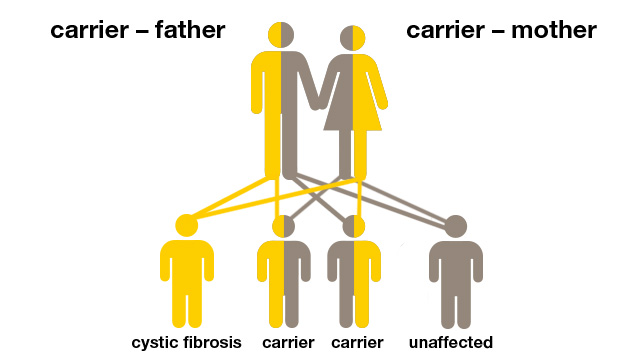
Source: Cystic Fibrosis Trust
Cystic Fibrosis symptoms are persistent coughing, shortness of breath, wheezing, poor weight gain,..
There is no cure for this disorder up to now, but having good nutritions and improve mucus expectoration would be helpful for patients.
- 5. Inflammatory Bowel Disease (IBD)
Inflammatory bowel disease refers to a disorder that involves inflammation of human digestive tract, or the gut.
IBD may result due to several factors, such as bacteria or viruses, environmental elements, and even genetic factor.
IBD comes in two main type:
Ulcerative colitis : https://www.youtube.com/watch?v=JMApMBY0CfQ

Source: ScienceDirect.com
Crohn’s Disease: https://www.youtube.com/watch?v=k0kRSF80PJ0
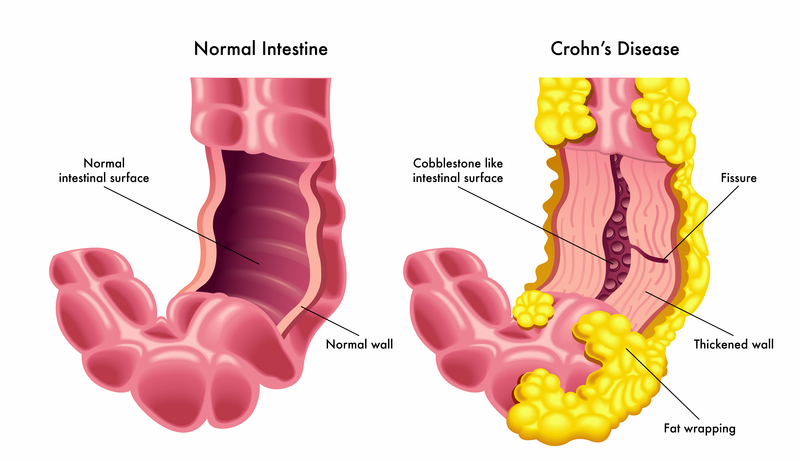
Credit: Havard Health, Havard University
Symptoms of IBD are different base on the location and severity of the disease, as well as the type of disease. However, both types have some common symptoms:
- Blood or mucus in the stool
- Nausea and Vomiting
- Night Sweats
- Weight loss
- Fever
- Lack of appetite
Furthermore, IBD results symptoms that are not related to the digestive system, such as:
- Joint pain
- Skin disorder
- Irregular period (in female)
The most common treatments for IBD are medications and surgery. Indeed, patients need to have antibiotics or antidiarrheal medicine. Having vitamins and mineral supplements could also be a good treatment method. Besides, surgery may help to extend a narrow bowel or remove fistulas in some cases. Also, making a positive change in lifestyle can improve the issue.
 Jennifer's blog