
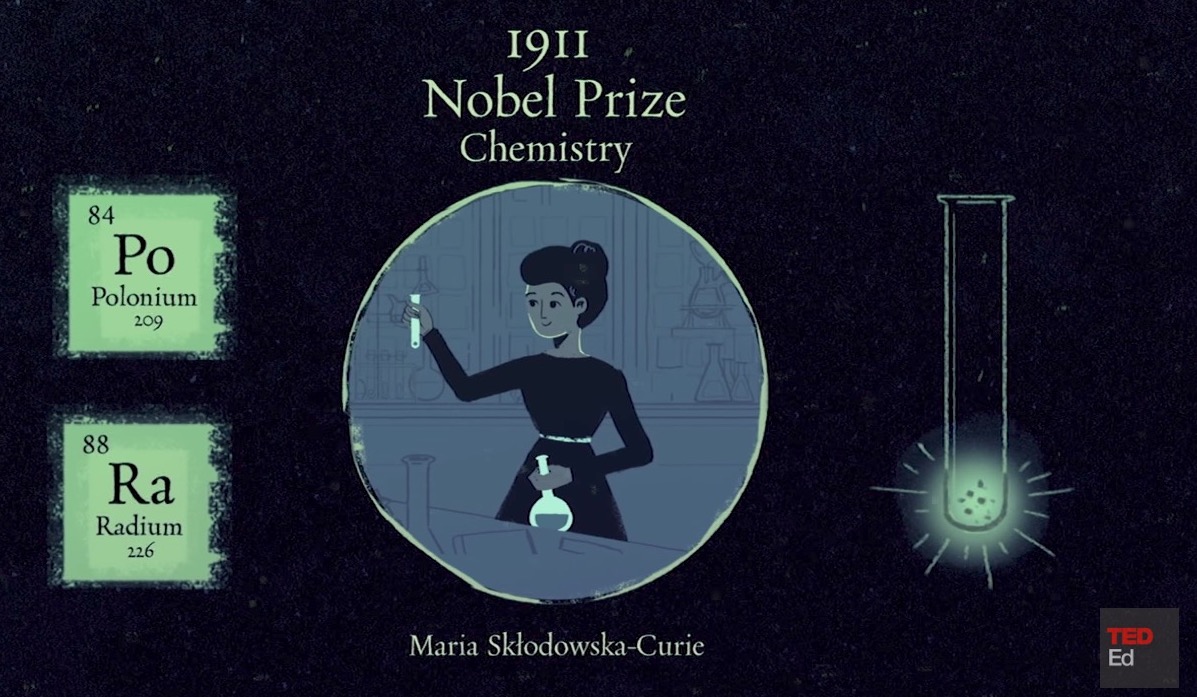
Marie Curie (Maria Skłodowska Curie) was a Polish physicist and chemist, famous worldwide for radioactive research. She was the first and only woman in the world who twice received a Nobel Prize in two different fields, being honored as the best female doctor in the world. Marie Curie’s life was a miraculous story, with numerous achievements.
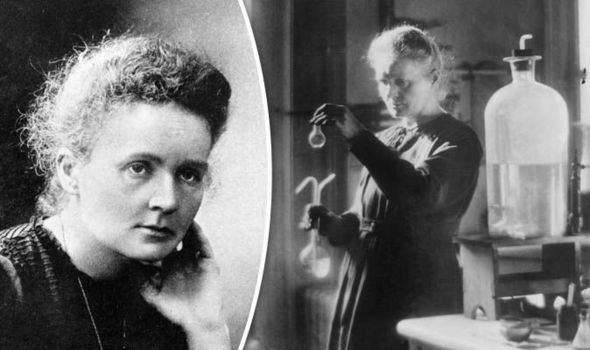
Source: @Daily Express
Marie Curie was born on November 17, 1867, in Warsaw, Poland. Since Marie was very young, she already showed her qualities of being smart. However, the government of Polish at that time did not allow women to attend university, Marie had to attend a secret university for women, founded by some secret patriotic intellectuals in Poland.
In the past, women had to fight for the right to be educated.
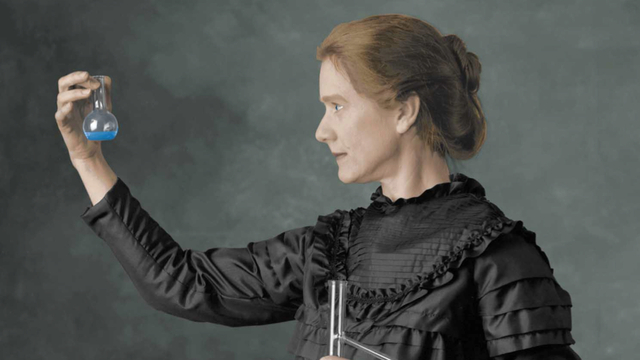
Source: Google reasearch
To pay for university tuition fee, Marie worked as a tutor to a wealthy landlord in the area. At the age of 24, Marie moved to France and attended Sorbonne University. She devoted her time and energy for studying and doing science research during that time.
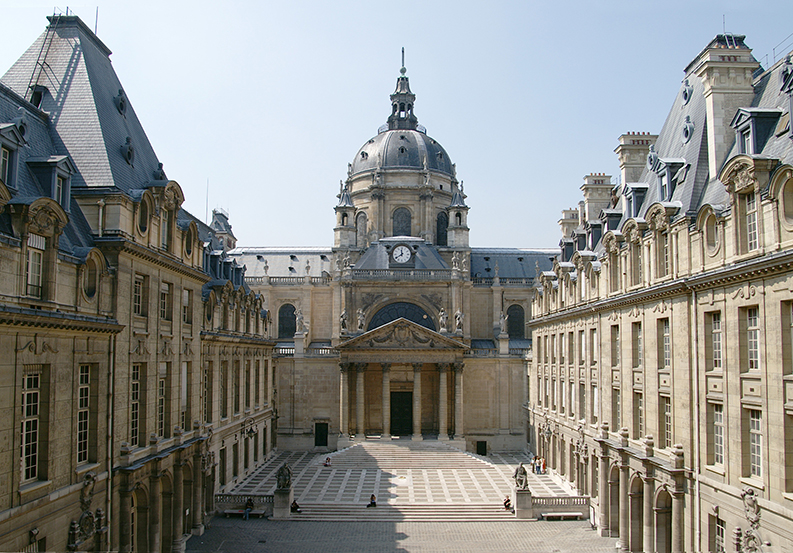
Source: Researching ” Sorbonne Universite” on Google
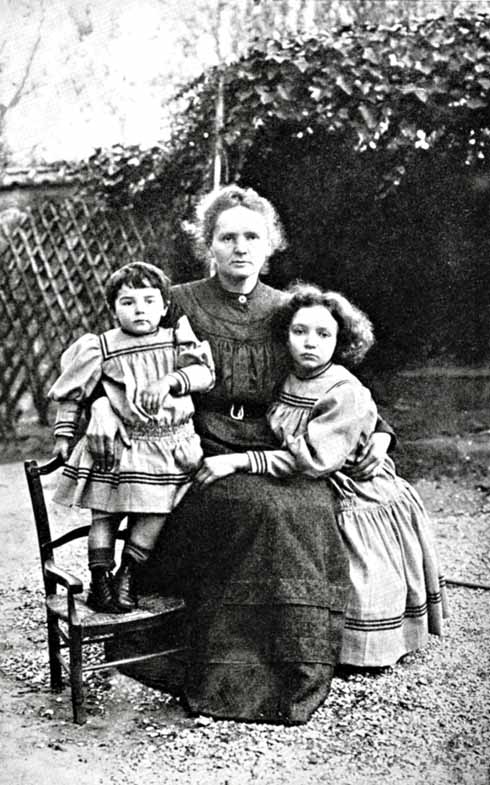
In 1894, Marie met Pierre Curie. They worked together by doing labs. Not long later, they became connubial and had two daughters.
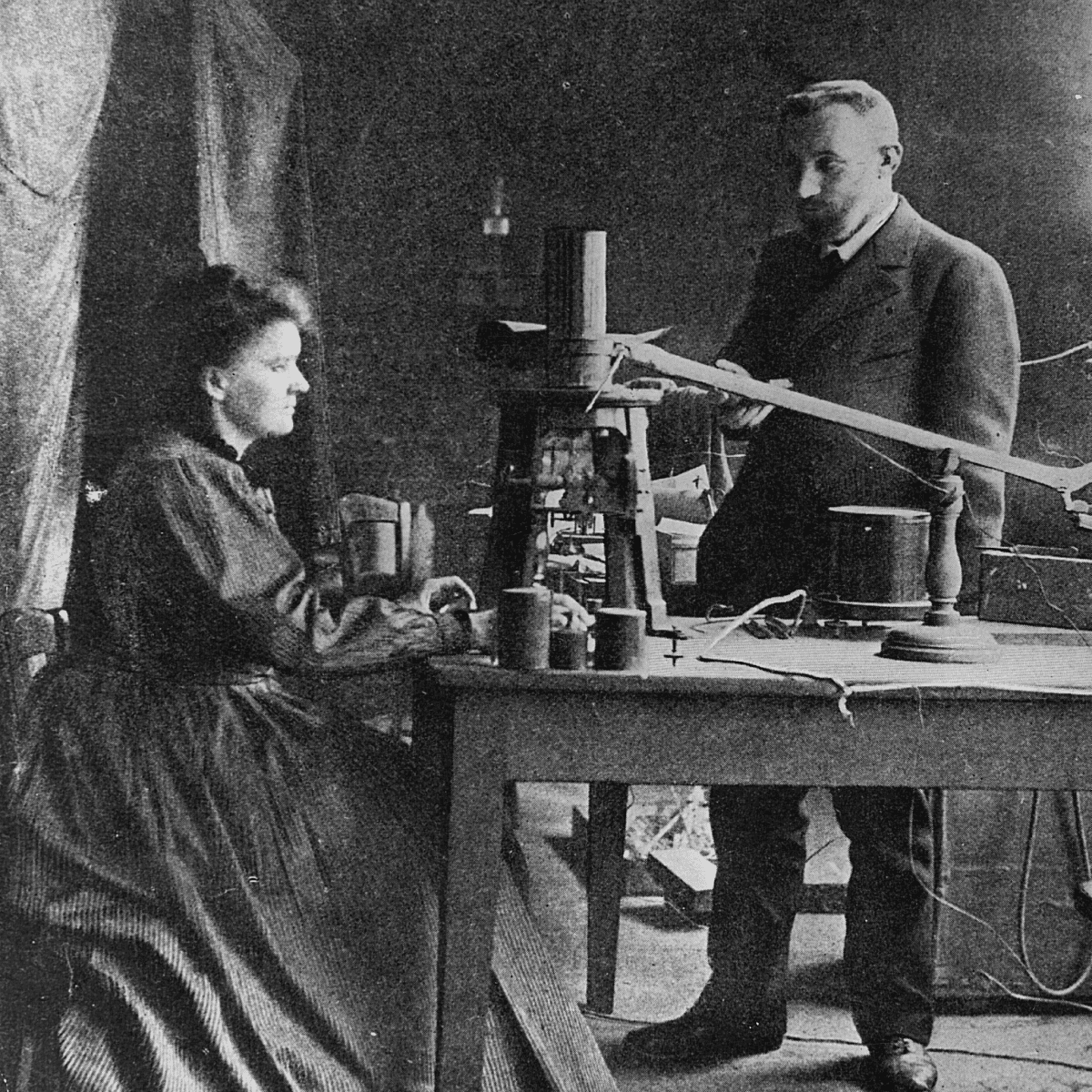
In 1898, Pierre and Marie discovered a new element – polonium. In the same year, they theoretically proved the existence of radium, which only five years later could be obtained experimentally, processing more than a ton of ore.
Unfortunately, Pierre Curie died in an accident on 19 April 1906 in Paris. After Pierre’s death, Marie continued their joint work.
One of the greatest contributions of Marie Curie: The X-ray Machine
The First World War broke out on 28 July, 1914 as German troops headed toward Paris. During the Great War, Marie invented a electromagnetic radiation machine , called ‘Little Curie’. ‘Little Curie’ played a fundamental part in helping doctors to image patients’ bones since they were injured by the War.
However, X-ray machines were rarely found on the battlefields where wounded troops were being treated. Marie invented the radiological car as a solution to this issue. The vehicle was the combination of an X-ray machine and a piece of photographic darkroom equipment, which could be driven right up to the battlefield where army surgeons could use X-rays to guide their surgeries.
After the war, Marie traveled to the United States twice. The first time was in 1921 and the second time was in 1929. In the U.S, Marie raised funds to buy radium and established a radium research institute in Warsaw.

Source: Bibliothèque nationale de France, département Estampes et photographie
Marie Curie died of aplastic anemia on July 4, 1934.
Later on, modern scientists developed X-ray with more functions. Nowadays, with the help of X-ray, doctors can not only examine broken bones, but x-rays are also used in other ways, such as chest x-rays can spot pneumonia; mammograms use x-rays to look for breast cancer.
 Jennifer's blog